Set by Immune Status, Not by Birthday! Why Airborne Pathogens Are the Ultimate Sleep Saboteurs
We usually give sleep advice by age: cool for the young, warm for the elderly, and special care for infants. But this common wisdom is missing the most critical variable.
The ideal sleeping environment isn’t determined by your birth certificate—it is determined by your immune status and its ability to ward off invisible invaders.
We tend to think of sleep hygiene in terms of mattress firmness, light, and temperature. Meanwhile, we sleep completely exposed to the true hijackers of restorative rest: airborne pathogens, bacteria, and viral particles. When these microbes are suspended in your bedroom air, your body is forced to fight a low-grade, unconscious war all night long. At all costs, these pathogens must be eliminated to unlock truly deep, restorative sleep.
Here is how to structure your sleeping sanctuary based on the immune system inside it.
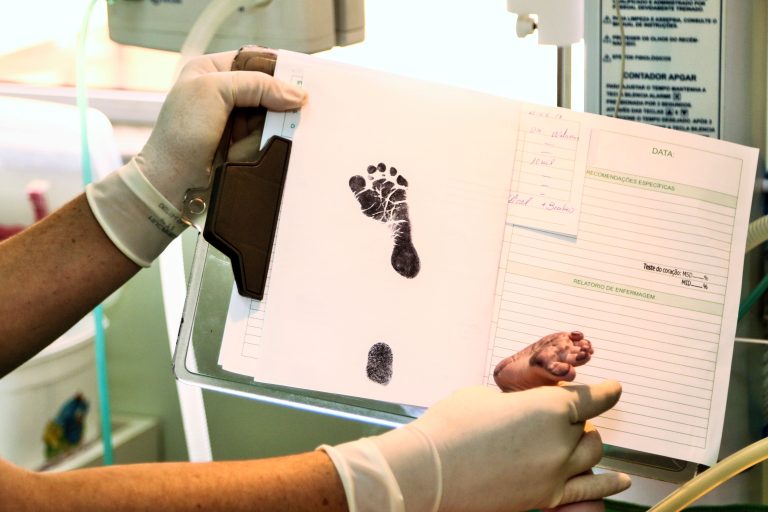
The Hidden Cost of Breathing Pathogens While You Sleep
When you inhale bacteria, viruses, or mold spores during the night, your immune system doesn’t sleep. Even if you don’t wake up with a full-blown illness, breathing in these microscopic particles triggers a continuous, low-grade inflammatory response.
Your body releases histamines and cytokines to combat the threat, which:
- Fragments Sleep Architecture: Unconsciously transitions you out of deep REM and slow-wave sleep.
- Elevates Heart Rate: Prevents your cardiovascular system from entering its natural nighttime recovery state.
- Irritates Airways: Causes subtle congestion and micro-arousals that leave you feeling exhausted in the morning.
To achieve optimal recovery, your bedroom air must transition from simply “ventilated” to actively decontaminated.
1. The Universal Foundation: Zero-Pathogen Air
Before adjusting for individual health profiles, every bedroom requires a baseline of absolute environmental purity. For a healthy individual, keeping the microbial load as close to zero as possible is the single greatest upgrade you can make to your sleep quality.
Every bedroom sanctuary must maintain:
- Active Pathogen Elimination: Continuous extraction and destruction of airborne bacteria, viruses, and mold spores.
- Clean particulate baseline: Keeping PM2.5 as close to the WHO guideline of 5μg/m3 as possible to prevent airway irritation.
- Fresh air circulation: Preventing CO2 buildup (keeping it below 1,000 ppm) to avoid morning brain fog.
- Strict mold prevention: Maintaining humidity between 40% and 60% so dampness never has a chance to breed fungal spores.
2. The Immune Dial: Calibrating Pathogen Protection
While everyone benefits from pathogen-free air, the stakes rise exponentially depending on who is sleeping in the room. As immune competence shifts, the strategy must move from general protection to absolute containment.
Immune Status | The Pathogen Threat | The Sleep Impact | The Strategy |
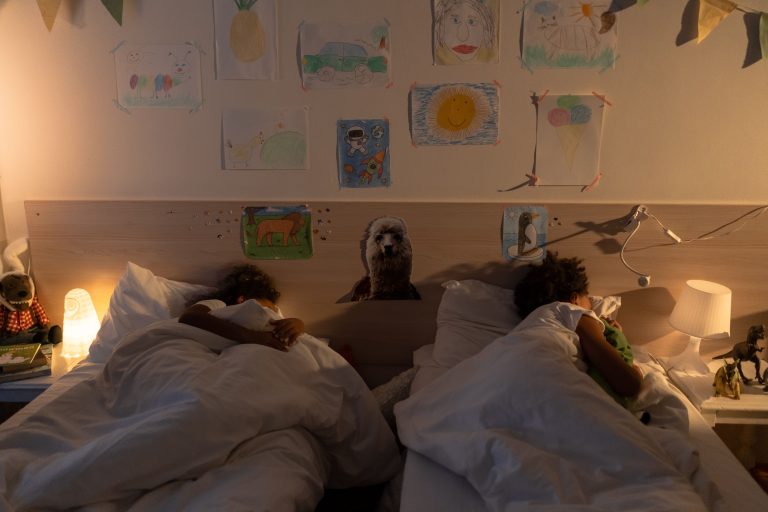
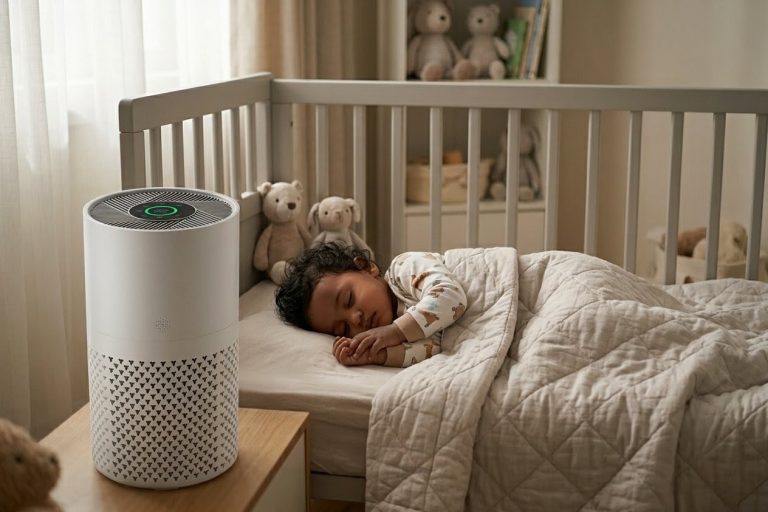
Developing (Infants & Children) | Highly sensitive to respiratory viruses and common bacteria. | Pathogen exposure triggers congestion, leading to mouth-breathing and fragmented sleep. | Medical-grade air extraction. Keep room temperature at 16–20°C and eliminate all microbial threats. |
Healthy Adults | Sub-clinical viral and bacterial exposure. | Unconscious immune activation that cuts deep, restorative sleep short. | Continuous sanitization. Active purification to keep the overnight pathogen load at absolute zero. |
Healthy Older Adults | Gradual decline in natural immune surveillance (immunosenescence). | Vulnerability to airborne pathogens causes frequent nighttime awakenings. | High-efficiency filtration. Keep temperatures at 20–25°C while strictly sealing the room from outdoor biological pollution. |
Immunocompromised (Any age) | Extreme vulnerability to opportunistic bacteria and mold spores (like Aspergillus). | Even minor exposure can trigger life-threatening respiratory infections. | Absolute isolation and destruction. Continuous, clinical-grade air decontamination with zero room for bypass. |
The One Principle That Reverses: Why "Fresh Air" Isn't Enough
There is a common myth that leaving a window open for “fresh air” is always healthy. However, during sleep, your body’s natural defenses are naturally lowered.
For a healthy person, outdoor air brings in pollen, fungal spores, and bacterial particles. While daytime exposure to nature helps train the immune system, nighttime exposure in a closed room does the opposite—it forces an active immune defense when your body should be focusing entirely on cellular repair.
For the highly vulnerable—such as individuals undergoing chemotherapy, recovering from a transplant, or managing chronic respiratory conditions—unfiltered outdoor air is a direct hazard. Harmless environmental microbes become dangerous pathogens. In these cases, the environment must transition from a “ventilated” space to a sterile sanctuary.
The Takeaway
Your bedroom should be a recovery chamber, not an immunological battlefield.
To secure the deep sleep your body requires to repair itself, build a foundation that actively targets and destroys airborne threats. Minimize exposure to unfiltered air, eliminate mold and bacterial breeding grounds, and adjust the dials of filtration and temperature based on your body’s immune needs.
Design the bedroom for the immune system sleeping in the bed—not the date on the birth certificate.
Clinical-Grade Sleep Protection by Biomoneta
Standard air purifiers simply trap particles on a filter, leaving live pathogens to accumulate. At Biomoneta, we believe that to sleep deeply, pathogens must not just be trapped—they must be destroyed.
Our ZeBox technology is a clinically-validated, multi-patented platform designed to actively decontaminate the air, protecting the most vulnerable when and where they sleep. Combined with our FDA 510(k) Class II cleared Avata Rx medical-grade air cleaner, we bring hospital-safe, pathogen-free air directly into the spaces that matter most.
Protect your sleep. Decontaminate your air.